What a Week I Had!

I had such an awesome time last week! On Tuesday, I received this:


It's the Versitile Blogger Award! I couldn't believe it! Anne from Wobi Sobi passed it on to me. She has a fabulous blog, be sure to go visit her. Thank you so much, Anne!

Here are the rules.
1. Thank and link back to the person who awarded you this award.
2. Share 7 things about yourself.
3. Award 15 recently discovered great bloggers.
4. Contact these bloggers and tell them about the award and let the giver know you accept the award.

This was the hard part for me, talking about myself!

1. My favorite color is blue.

2. February and March is a hard time of year for me. My Daddy and Mom died in these months, 13 and 8 years ago. I still miss them horribly. I just know they are in Heaven looking down and so proud (and probably shocked) that I'm doing this blog.

3. I would rather all the kids and grandkids just come over and hang out with us than going out anywhere! I love when we're all together.

4. If I ever win the lottery, I'm taking the whole family to Maui. Greg and I went there for our 30th wedding anniversary and had the time of our lives. Everyone should visit there at least once in their lives.

5. Which leads me to this little fact. I didn't name my blog, Greg did. He nicknamed me Princess when we were in Maui. Actually, when you're in Maui, everyone is a Princess! Well, the girls, at least.

6. I wake up early every morning. Sometimes that's great and other times I hate it. I cannot sleep past 5 as much as I would like to. Please don't tell me it's old age.

7. I love Greg more than life itself, but I have one little thing that he does that drives me crazy! Sometimes during the night when he can't sleep, he gets up to eat ice cream. That's fine, and I never hear him get up, but the next morning I always know he's been to the kitchen. You see, when he starts digging in the freezer, anything in his way gets put on top of the refrigerator and forgets about it! I get to find it there (thawed) the next morning. Lovely, huh?

Okay, now for the easy part. I'm passing this award on to these lovely ladies and their fabulous blogs!


Then just when I thought things couldn't get much better, I was featured on Child Made, Sumo's Sweet Stuff, Sassy Site's and Keeping It Simple! I know it sounds crazy, but I felt like Sally Field in her acceptance speech when she won the Oscar. You like me! You really like me! Now I can put their buttons on my side bar. Thank you again, Sheri, Sumo, Marni, and Kaysi!

WORKING WITH VINTAGE PATTERNS

Vintage patterns are tres chic right now.  If you're intrigued with past patterns and plan on finding a designer/seamstress who can whip up your creation, here are a few things you should know. Unlike today's patterns that include many sizes in one package, those from yesteryear are a one size only deal.  Not only are silhouettes reminiscent of an era, did you know overall cut, types of darts and dart lines are as well?  With all the changes in machinery over the last thirty plus years as well as hemming products, range of notions available and faster techniques, whoever is making your dress will have to know how to adapt instructions provided by the original pattern.

1920s

Want to do a Gatsby or roaring twenties theme?  The 1920s was about women's freedom and it played itself out most dramatically in fashion.  It was one of the first times in history the female body was comfortable.  Typically wedding dresses were short with loads of lace and  a graduated hemline forming a train in back.  Most headpieces were cloche-like and worn low on the forehead.  The above pattern is for an informal affair . . .
 True bias cut, body-hugging, gowns made their way into bridal wear in lightweight satins and crepes.  Hollywood had a great influence on fashion during this time and many brides to be looked to the cinema for inspiration.  This is also the era Brides magazine premiered its first issues, not only featuring gowns and veils but ideas for trousseau and setting up home as well.

 1940s
Alines with sweetheart necklines and puffed sleeves in bridal satin were typical till wartime when fabric was rationed.  During wartime, brides married quickly before sending lovers off to war.  Often they'd marry in their best dress or more often, best suit.  Once restrictions were lifted on fabric after the war, even wider poufier skirts returned . . . 
 1950s
  The era of Christian Dior was all about yards of skirt and nipped in waists.  Slimmer silhouettes celebrated the female form as well. Synthetic fabrics were all the rage, even in bridal wear.  Many dresses that have survived this era either home made or manufactured are rayon, acetate or Dacron.  No Polyester; that was the miracle synthetic of the 1960s . . .
1960s
The early sixties of Audrey Hepburn and Jackie Kennedy's influence on fashion was radically different from the Mod swinging late sixties.  The styles on the above right pattern envelope show a Mary-Jane and lace child-bride look so prevalent in fashion by the youthquake years . . .

1970s
Though this was an era of funky fashion we were still stuck with the cookie-cutter bridal image like the one above.  Nina Ricci did great with this bride's boho veil and headpiece though and the lines of the dress are flattering.  What we lacked then that we have now is brides brave enough to step outside the box and do something really earthshaking . . .

1980s
Yuck!  Okay so I shouldn't be so judgmental especially since this is the era I began designing in, that of pouf and paste, millions of glued on sequins and overdone puffy veils.  And the ones in the images above are the tamer versions done by Vogue.  You shoulda seen the schlock out on the racks back then.  The result was, most brides looked consumed under all the layers of frippery . . .But . . . this was the look 


If you're imaginative, you know you don't necessarily need a pattern that says, bridal on it or have a dress pictured in white. Any design or color shown can be created as a wedding dress.

A last word here.   I don't believe in the theory bodies change from era to era but I believe foundations do.  In the twenties women wore binders to flatten their boobs into chests; in the fifties rubberized armor-like girdles and long-lined bras to achieve a Dioresque ideal.  Studying the underwear of the decade you're going for could be very helpful

All images courtesy So Vintage Patterns

WORKING WITH VINTAGE PATTERNS

Vintage patterns are tres chic right now.  If you're intrigued with past patterns and plan on finding a designer/seamstress who can whip up your creation, here are a few things you should know. Unlike today's patterns that include many sizes in one package, those from yesteryear are a one size only deal.  Not only are silhouettes reminiscent of an era, did you know overall cut, types of darts and dart lines are as well?  With all the changes in machinery over the last thirty plus years as well as hemming products, range of notions available and faster techniques, whoever is making your dress will have to know how to adapt instructions provided by the original pattern.

1920s

Want to do a Gatsby or roaring twenties theme?  The 1920s was about women's freedom and it played itself out most dramatically in fashion.  It was one of the first times in history the female body was comfortable.  Typically wedding dresses were short with loads of lace and  a graduated hemline forming a train in back.  Most headpieces were cloche-like and worn low on the forehead.  The above pattern is for an informal affair . . .
 True bias cut, body-hugging, gowns made their way into bridal wear in lightweight satins and crepes.  Hollywood had a great influence on fashion during this time and many brides to be looked to the cinema for inspiration.  This is also the era Brides magazine premiered its first issues, not only featuring gowns and veils but ideas for trousseau and setting up home as well.

 1940s
Alines with sweetheart necklines and puffed sleeves in bridal satin were typical till wartime when fabric was rationed.  During wartime, brides married quickly before sending lovers off to war.  Often they'd marry in their best dress or more often, best suit.  Once restrictions were lifted on fabric after the war, even wider poufier skirts returned . . . 
 1950s
  The era of Christian Dior was all about yards of skirt and nipped in waists.  Slimmer silhouettes celebrated the female form as well. Synthetic fabrics were all the rage, even in bridal wear.  Many dresses that have survived this era either home made or manufactured are rayon, acetate or Dacron.  No Polyester; that was the miracle synthetic of the 1960s . . .
1960s
The early sixties of Audrey Hepburn and Jackie Kennedy's influence on fashion was radically different from the Mod swinging late sixties.  The styles on the above right pattern envelope show a Mary-Jane and lace child-bride look so prevalent in fashion by the youthquake years . . .

1970s
Though this was an era of funky fashion we were still stuck with the cookie-cutter bridal image like the one above.  Nina Ricci did great with this bride's boho veil and headpiece though and the lines of the dress are flattering.  What we lacked then that we have now is brides brave enough to step outside the box and do something really earthshaking . . .

1980s
Yuck!  Okay so I shouldn't be so judgmental especially since this is the era I began designing in, that of pouf and paste, millions of glued on sequins and overdone puffy veils.  And the ones in the images above are the tamer versions done by Vogue.  You shoulda seen the schlock out on the racks back then.  The result was, most brides looked consumed under all the layers of frippery . . .But . . . this was the look 


If you're imaginative, you know you don't necessarily need a pattern that says, bridal on it or have a dress pictured in white. Any design or color shown can be created as a wedding dress.

A last word here.   I don't believe in the theory bodies change from era to era but I believe foundations do.  In the twenties women wore binders to flatten their boobs into chests; in the fifties rubberized armor-like girdles and long-lined bras to achieve a Dioresque ideal.  Studying the underwear of the decade you're going for could be very helpful

All images courtesy So Vintage Patterns

LITTLE BLACK DRESS

Little Black Dress
What an inspiration!  Black and pink do something awsome when combined, don't they?  This gorgeous board is the work of Shana via SMP Style Circle whose blog, Baubles and Bubbles is  loaded with chic and novel ideas for the bride . . .

LITTLE BLACK DRESS

Little Black Dress
What an inspiration!  Black and pink do something awsome when combined, don't they?  This gorgeous board is the work of Shana via SMP Style Circle whose blog, Baubles and Bubbles is  loaded with chic and novel ideas for the bride . . .

Super Saturday!

Wow! Did you see all the fabulous ideas out there this week? My "to do" list is getting out of hand!


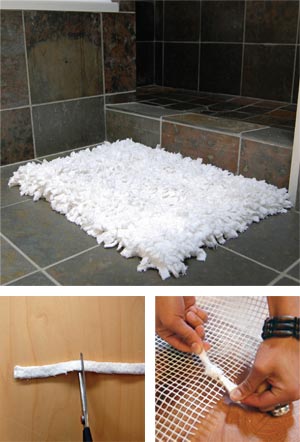
I have got to figure out a way to do this with those cardboard circles I have.


She used a tape measure for the closer of this cute little coin purse. Brilliant!


Wouldn't these make the cutest bracelets?


Love this! And better yet, she has an Etsy shop!


Could that be any cuter?


I don't know if I have the patience for this, but I'm pretty sure I could get Jalynn to help me.

Have a fun weekend!

FILL ME UP BUTTERCUP

Fill Me Up, Buttercup
Another board that's perfect for getting into spring!  When I was a child, yellow was my favorite color, so invariably this medley reminds me of the joyful and happy images of my youth.  Thanks again to Shana over at SMP Style Circle for inspiring us all.  More inspiration can be found on her blog, Baubles and Bubbles.

FILL ME UP BUTTERCUP

Fill Me Up, Buttercup
Another board that's perfect for getting into spring!  When I was a child, yellow was my favorite color, so invariably this medley reminds me of the joyful and happy images of my youth.  Thanks again to Shana over at SMP Style Circle for inspiring us all.  More inspiration can be found on her blog, Baubles and Bubbles.

Goodbye, Old Friend

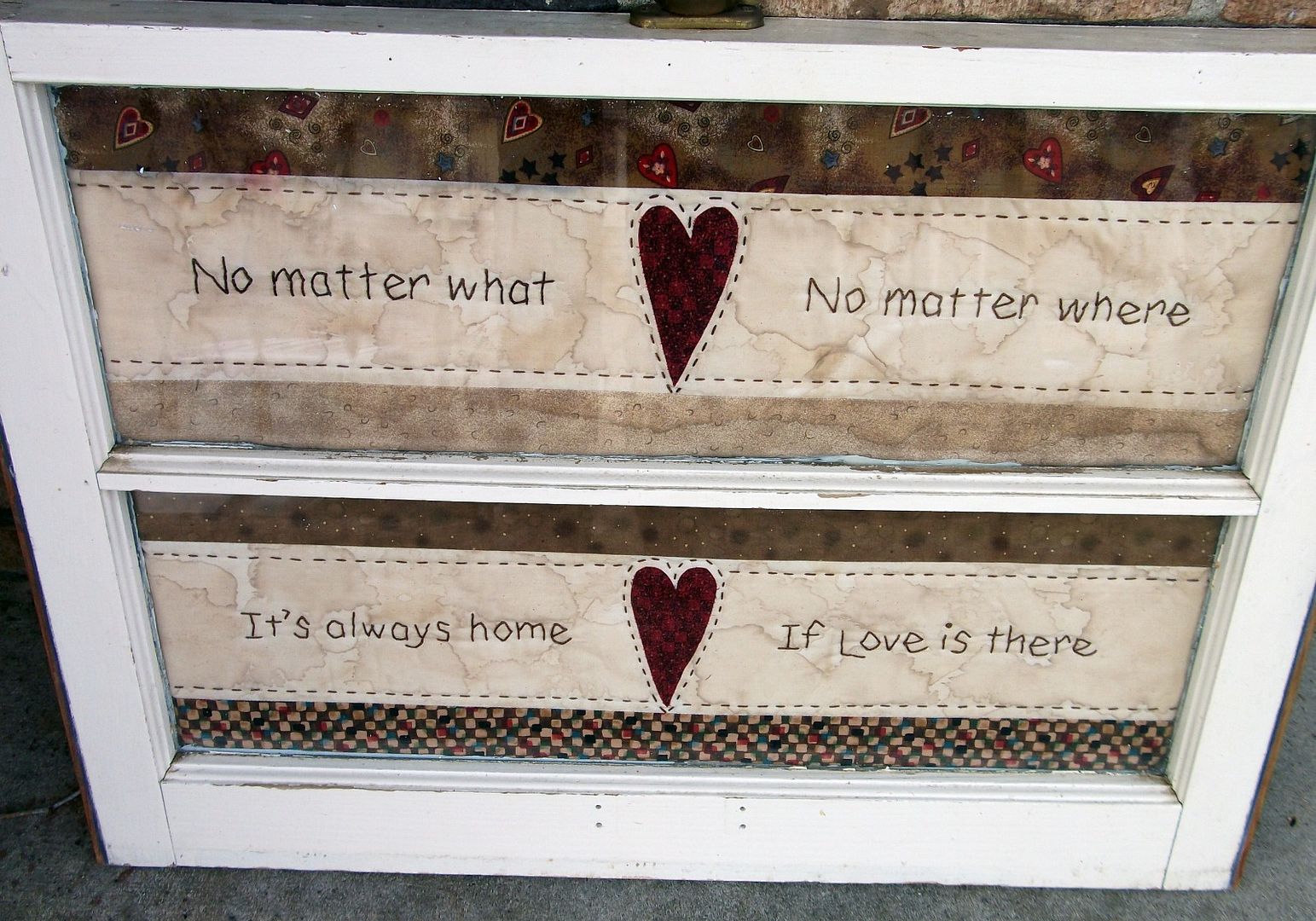
Why do I get so attached to the windows I do? It's not like they're all hanging on my walls. They're all nicely stacked up waiting to be sold.

A friend of ours was telling us about a fundraiser her granddaughters fast pitch softball team was having. It was a Texas Hold-em tournament. Greg wasn't able to go, so I donated this window for their raffle. I don't know why, but this has always been one of my favorites.


That's the only picture I have because it was freezing that day we took it to her. And Greg was honking at me in the car!

Have a terrific weekend!

DECADES: The Best of the Early 1990s


Is early 90s really vintage? I'd say so. I have a whole library of bridal mags, some dating back to the 1930s. Perusing early editions circa 1990, I run across plenty of those ridiculous, big puffy sleeves, bodices and skirts encrusted with such heavy bead work you can't find the fabric. There were also some magnificent gowns created back then by a group of talented designers, some so far ahead of their time it amazes me. And while there have always been gifted designers the world over, during this time the French did seem to be Fashion's chosen people for keeping couture pure. They had a knack for using just the right fabric on a particular silhouette; knowing how much detail would balance the design. They--great designers, French et all--also laid out the blue print for a lot of today's trends.

In the 1990s, we saw the emergence of the studio designer. These independents closely resembling the Etsy artisans of today, chose to create and show their own collections in ateliers and small shops all over the world. Private designers as they were also known were showcased first in the premiere issues of Wedding Dresses Magazine. Soon American editors picked up that significant bridal trends were being created not only in Paris and New York but wherever there was a talent that burned to create. Alas, twenty some years later not all these designers are still with us. All though have left their influence . . .


Lolita Lempicka
What ever happened to Lolita Lempicka? These days she's concentrating on her fragrance and bath lines more than anything else. The gown above is representative of the joyful and whimsical mood she brought to design in the nineties, her daring techniques and applications inspiring many designers today. I always thought she was the more refined version of someone like Betsey Johnson.


The Fleur d'Oranger pieces here are youthful and hint boho before its revival. The headpieces are particularly unique for the time when most brides, even those marrying semi-formal donned some version of veil.


The above dress is simply all class and timeless chic.


Though designer Ulla Maja popularized the use of pick up skirt techniques through the nineties, Nicole Legroux was using this technique as well. The hand rolled florals anchoring each tuft of silk here are an exquisite touch. A radical application back then, nowadays the pick up skirt can be found on almost every page of the David's Bridal Catalog as well as top New York collections.


Hanae Mori
Though Hanae Mori has retired from the runways she still has a few shops open in Japan. These days, like Lempicka, she concentrates on her fragrance lines.

Roxanna Farri
We've seen more fabric like this but back in the early 90s it was a novelty when Roxanna Farri introduced this skirt covered in sunflowers made of ribbon. The skirt and blouse combo would be ideal for the garden wedding in any age.


These last three images showcase the work of purist Michelle Arnaud. Check out the last photo in black and white. The hat/veil hybrid was . . . a tad experimental back then but now would be considered a wonderful option to the traditional veil


All photos copyright Wedding Dresses Magazine

DECADES: The Best of the Early 1990s


Is early 90s really vintage? I'd say so. I have a whole library of bridal mags, some dating back to the 1930s. Perusing early editions circa 1990, I run across plenty of those ridiculous, big puffy sleeves, bodices and skirts encrusted with such heavy bead work you can't find the fabric. There were also some magnificent gowns created back then by a group of talented designers, some so far ahead of their time it amazes me. And while there have always been gifted designers the world over, during this time the French did seem to be Fashion's chosen people for keeping couture pure. They had a knack for using just the right fabric on a particular silhouette; knowing how much detail would balance the design. They--great designers, French et all--also laid out the blue print for a lot of today's trends.

In the 1990s, we saw the emergence of the studio designer. These independents closely resembling the Etsy artisans of today, chose to create and show their own collections in ateliers and small shops all over the world. Private designers as they were also known were showcased first in the premiere issues of Wedding Dresses Magazine. Soon American editors picked up that significant bridal trends were being created not only in Paris and New York but wherever there was a talent that burned to create. Alas, twenty some years later not all these designers are still with us. All though have left their influence . . .


Lolita Lempicka
What ever happened to Lolita Lempicka? These days she's concentrating on her fragrance and bath lines more than anything else. The gown above is representative of the joyful and whimsical mood she brought to design in the nineties, her daring techniques and applications inspiring many designers today. I always thought she was the more refined version of someone like Betsey Johnson.


The Fleur d'Oranger pieces here are youthful and hint boho before its revival. The headpieces are particularly unique for the time when most brides, even those marrying semi-formal donned some version of veil.


The above dress is simply all class and timeless chic.


Though designer Ulla Maja popularized the use of pick up skirt techniques through the nineties, Nicole Legroux was using this technique as well. The hand rolled florals anchoring each tuft of silk here are an exquisite touch. A radical application back then, nowadays the pick up skirt can be found on almost every page of the David's Bridal Catalog as well as top New York collections.


Hanae Mori
Though Hanae Mori has retired from the runways she still has a few shops open in Japan. These days, like Lempicka, she concentrates on her fragrance lines.

Roxanna Farri
We've seen more fabric like this but back in the early 90s it was a novelty when Roxanna Farri introduced this skirt covered in sunflowers made of ribbon. The skirt and blouse combo would be ideal for the garden wedding in any age.


These last three images showcase the work of purist Michelle Arnaud. Check out the last photo in black and white. The hat/veil hybrid was . . . a tad experimental back then but now would be considered a wonderful option to the traditional veil


All photos copyright Wedding Dresses Magazine